Is NAVEX Anonymous? What HR Teams Need to Know About EthicsPoint Privacy
NAVEX EthicsPoint is the most widely used compliance reporting platform. But when employees ask 'is my report really anonymous?' — the answer is more complicated than NAVEX's marketing suggests. This guide explains the technical difference.
VoxWel Team
Workplace Safety Advocates
Try VoxWel Free
Anonymous reporting — live in 24 hours
Free Resource
Anonymous Reporting Platform Security Checklist
A 12-point technical checklist to evaluate whether any whistleblowing platform is truly anonymous — includes IP logging, encryption standards, and metadata handling.
Download the Security ChecklistNAVEX EthicsPoint controls a massive share of the corporate compliance market. If you work for a Fortune 500 company, there is a strong probability that your internal reporting portal routes back to NAVEX servers.
But the defining question any employee considers before hitting "Submit" on a high-stakes harassment or fraud complaint is simple: Is this actually anonymous? Will my boss find out who I am?
When you dig into the architecture of legacy platforms like EthicsPoint, the industry standard terminology shifts rapidly from "anonymous" to "confidential." For the employee risking their career, and the HR team trying to build trust, this isn't just semantics. It is a critical difference in how compliance software is built--and ultimately, whether it succeeds or fails at protecting the whistleblower.
What NAVEX Says About Anonymity
NAVEX is very careful with how they utilize the word "anonymous" in legal documentation. Instead, they emphasize providing a "confidential" reporting channel.
What does this mean operationally?
Confidentiality as a Behavioral Promise When a vendor promises confidentiality, they are essentially saying: "The software knows exactly who you are, what computer you are using, and where you are located. However, we promise, contractually, not to give that information to your employer unless required by law."
Anonymity as a Technical Guarantee When a modern, zero-knowledge platform promises anonymity, they are saying: "Our encryption architecture is mathematically designed so that we physically cannot identify you. We don't collect your IP address, we don't log your location, and even if we were subpoenaed, we could not hand over your identity because we do not have it."
The Technical Difference Between Confidential and Anonymous
The "Confidential" System (Traditional Hotlines)
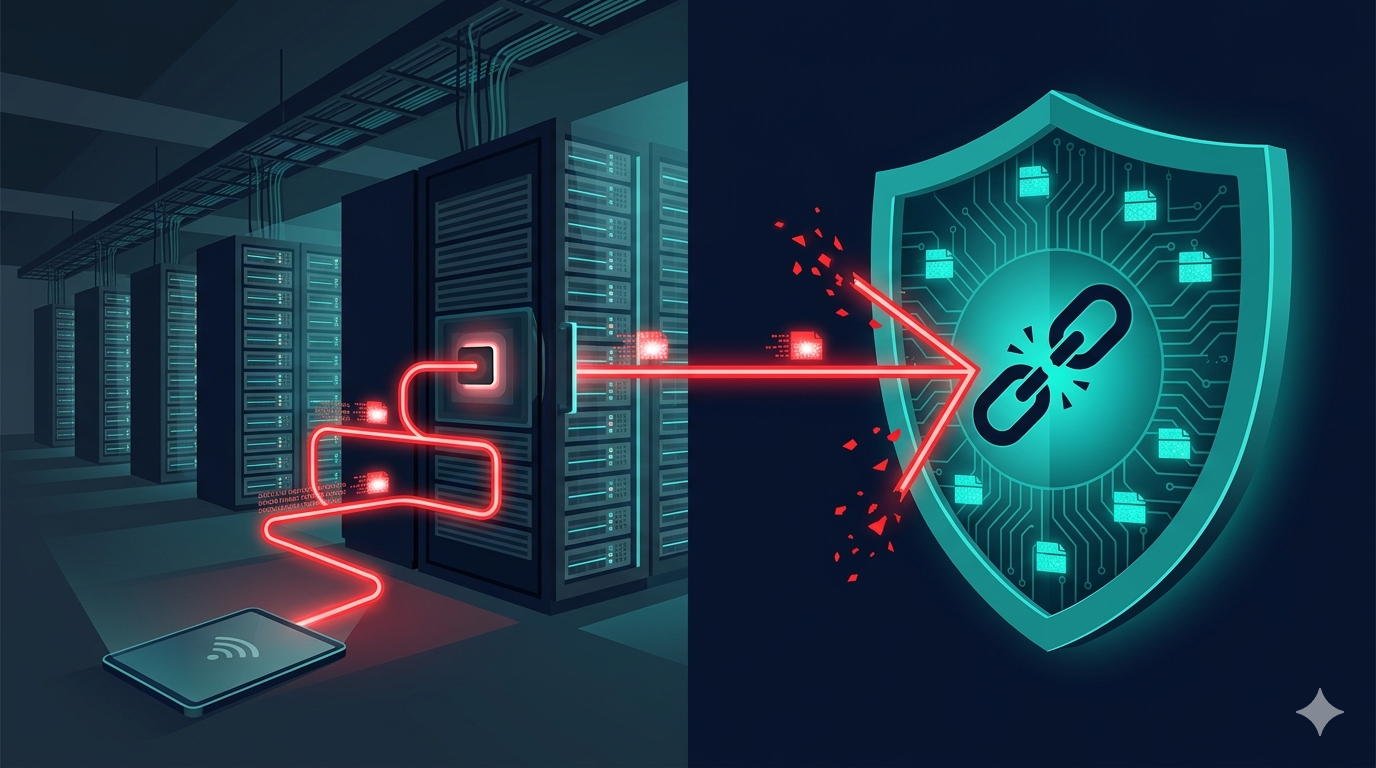
Legacy vendors operate like lockboxes. A reporter drops a complaint into the box. The vendor holds the key to the main door. They scrub obvious identifying details out of the report text, then hand a sanitized summary to the employer.
However, because the vendor collected the reporter's IP address, device fingerprints, or caller ID during submission, the vendor holds the reporter’s true identity in escrow. If a senior executive--or a rogue IT admin--exerts enough pressure, or a legal challenge occurs, that metadata exists on a server. It can be exposed.
The "Anonymous" System (Zero-Knowledge Architecture)
A zero-knowledge system uses client-side encryption. When an employee types a complaint, the text is encrypted on their actual device before it ever travels over the internet to the platform's servers.
The vendor never holds the decryption key. Consequently, the vendor never "knows" what the report says or who sent it. The platform mathematically scrubs the IP address, device type, and metadata entirely. The employer holds the singular decryption key. The platform acts solely as a blind courier.
What Metadata Does NAVEX EthicsPoint Collect?
To understand how a "confidential" system operates behind the scenes, you must look at the standard metadata footprints that traditional compliance software often logs during a typical web submission or phone call:
1. IP Address Handling
When you visit a legacy web portal on your corporate laptop, the server typically logs the IP address requesting the page. If that IP address traces back to a specific corporate VPN node or a particular office IP block (e.g., "The 4th Floor Marketing Wing, Chicago Office"), the reporter's physical location is instantly compromised.
2. Device Fingerprinting
Modern web browsers freely leak data about the computer being used: the operating system, the precise screen resolution, the installed fonts, and the browser version. A sophisticated IT team can cross-reference the exact timestamp of the report with their Microsoft Intune or Jamf network logs to isolate the exact laptop that submitted the claim.
3. Browser Information (User-Agent Strings)
Did the report come from an iPhone running iOS 17.2, or a multi-monitor desktop running Windows 11 Enterprise? User-Agent strings provide distinct breadcrumbs that negate anonymity when cross-referenced against internal network traffic logs.
4. Phone Call Metadata (For Hotline Reports)
If an employee calls a traditional 1-800 ethics hotline, the call center’s telecom provider routinely logs the incoming caller ID, the duration of the call, the cell tower it routed through, and sometimes the audio recording itself (which can be subpoenaed and subjected to voice-identification software).
5. Session Tracking
Cookie tracking and active session IDs map how long the user lingered on the page before submitting the report, tying the submission definitively to a specific network session.
While legacy vendors promise to "scrub" this data before handing the report to HR, the irrefutable truth is that the vendor collected and stored the data in the first place.
How Zero-Knowledge Encryption Actually Works
Platforms built specifically for the modern threat landscape handle data entirely differently. This is how VoxWel’s zero-knowledge architecture operates:
- Client-Side AES-256 Encryption: The moment the employee finishes typing and clicks submit, the text is securely encrypted inside their own browser. It travels over the web as total gibberish.
- Instant Metadata Stripping: The server actively drops the IP address upon receipt. It deliberately refuses to log the User-Agent string, the device type, or the screen resolution.
- No Caller ID Threat: Because VoxWel operates entirely as a digital platform (via web portals or QR codes), it eliminates the immense vulnerability of telecom caller ID logging entirely.
- Technical Impossibility: If a hostile actor breaches the platform, or an employer attempts to trace the report, they will find nothing but mathematically randomized ciphertext and zero IP logs.
A behavioral promise breaks under pressure; mathematical encryption holds forever.
Why Anonymity Architecture Drives Up Report Volume
You might ask: If an employee doesn't understand cross-origin resource sharing or AES encryption, why does the architecture matter to them?
It matters because employees are highly skeptical of corporate HR systems. According to the Ethics & Compliance Initiative (ECI), organizations that deploy trusted, anonymous digital channels receive 5x more reports than organizations relying on traditional call centers or open-door policies.
The Trust Gap
Before submitting a complaint, employees quietly assess channel safety. If they have to dial a phone number and talk to a live human operator, or if they have to navigate a dated, clunky software portal that looks like it hasn't been updated since 2008, they balk. The perceived risk of being identified is too high.
The Retaliation Reality
The Stanford Law Journal reported that over 75% of whistleblowers experience some form of retaliation. When the risk of job loss, demotion, or ostracization is that severe, anonymity is non-negotiable.
If an organization wants to detect a $500,000 embezzlement scheme before an external auditor finds it, they must provide a technical environment where the whistleblower feels 100% mathematically secure in coming forward.
Feature Comparison: NAVEX EthicsPoint vs. VoxWel
| Feature Comparison | NAVEX EthicsPoint | VoxWel |
|---|---|---|
| Anonymity Promise | Confidentiality (Vendor Policy) | True Anonymity (Zero-Knowledge Math) |
| Encryption Model | In Transit & At Rest | Client-Side AES-256 (Zero-Knowledge) |
| IP Address Logging | Collected, but "scrubbed" | Actively dropped at submission |
| Metadata Stripping | Vendor manages redaction | Zero metadata recorded |
| Reporter Identification Possible? | Yes, via subpoena or telecom logs | No, technically impossible |
| EU Directive SLA Compliance | Dependent on admin workflow | Native, automated SLA reminders |
| Pricing Model | Quote-based Enterprise (Opaque) | Flat $1/employee/month (Transparent) |
Secure Your Organization with VoxWel
The compliance market has shifted. You no longer need to pay a premium for a massive enterprise logo when the underlying architecture relies on outdated, "confidential" data collection practices.
VoxWel provides mathematically absolute anonymity. We don't log IPs, we don't track your employees' devices, and our zero-knowledge architecture means we couldn't reveal a whistleblower's identity even if forced.
By guaranteeing true anonymity, VoxWel vastly increases the likelihood that employees will report critical issues early--allowing your HR team to investigate and resolve crises internally before they escalate to devastating public scandals.
Start your 14-day free trial of VoxWel today and implement a smarter, more secure reporting channel for just $1/employee/month.
Table of Contents
Try VoxWel Free
Set up your anonymous reporting channel in 24 hours. No credit card required.
- AES-256 encrypted
- EU Directive compliant
- $1/employee/month
Free Resource
Anonymous Reporting Platform Security Checklist
A 12-point technical checklist to evaluate whether any whistleblowing platform is truly anonymous — includes IP logging, encryption standards, and metadata handling.
Download the Security ChecklistReady to protect your workplace?
Join 500+ companies using VoxWel for anonymous reporting. Setup takes 24 hours. No IT project required.
Continue Reading
Best EU Whistleblowing Directive-Compliant Software: 7 Vendors Compared for 2026
The EU Whistleblowing Directive has six core requirements. Not every platform meets all of them out of the box. This guide evaluates 7 vendors against each requirement — with a compliance matrix, pricing comparison, and implementation timeline.
Best NAVEX Alternative: 4 Options Cheaper, Faster, and Just as Compliant
If you've been quoted $500–$5,000/month by NAVEX — or if your NAVEX contract is up for renewal — this guide covers the best alternatives that deliver the same EU Directive compliance, audit trail, and anonymous reporting at a fraction of the cost.
Best Whistleblowing Software 2026: Top 10 Tools Compared for HR Teams
The whistleblowing software market has over 30 vendors. Most look identical from the outside. This guide cuts through the noise — comparing the 10 most widely used platforms on the dimensions that actually matter: anonymity architecture, EU Directive compliance, pricing transparency, and report volume impact.