All-in-One vs Integrated Whistleblowing Software: Which Approach Is Better?
More integrations do not automatically mean a better whistleblowing programme. Learn when HRIS, SSO and case-management connections help, and when they create avoidable privacy risks.
VoxWel Team
Compliance & Workplace Safety
Try VoxWel Free
Anonymous reporting — live in 24 hours
A whistleblowing platform may promise to connect with HR systems, identity providers, document tools, compliance dashboards and investigation software. Integrations can reduce duplicate work, but each connection also creates another route through which sensitive information may move.
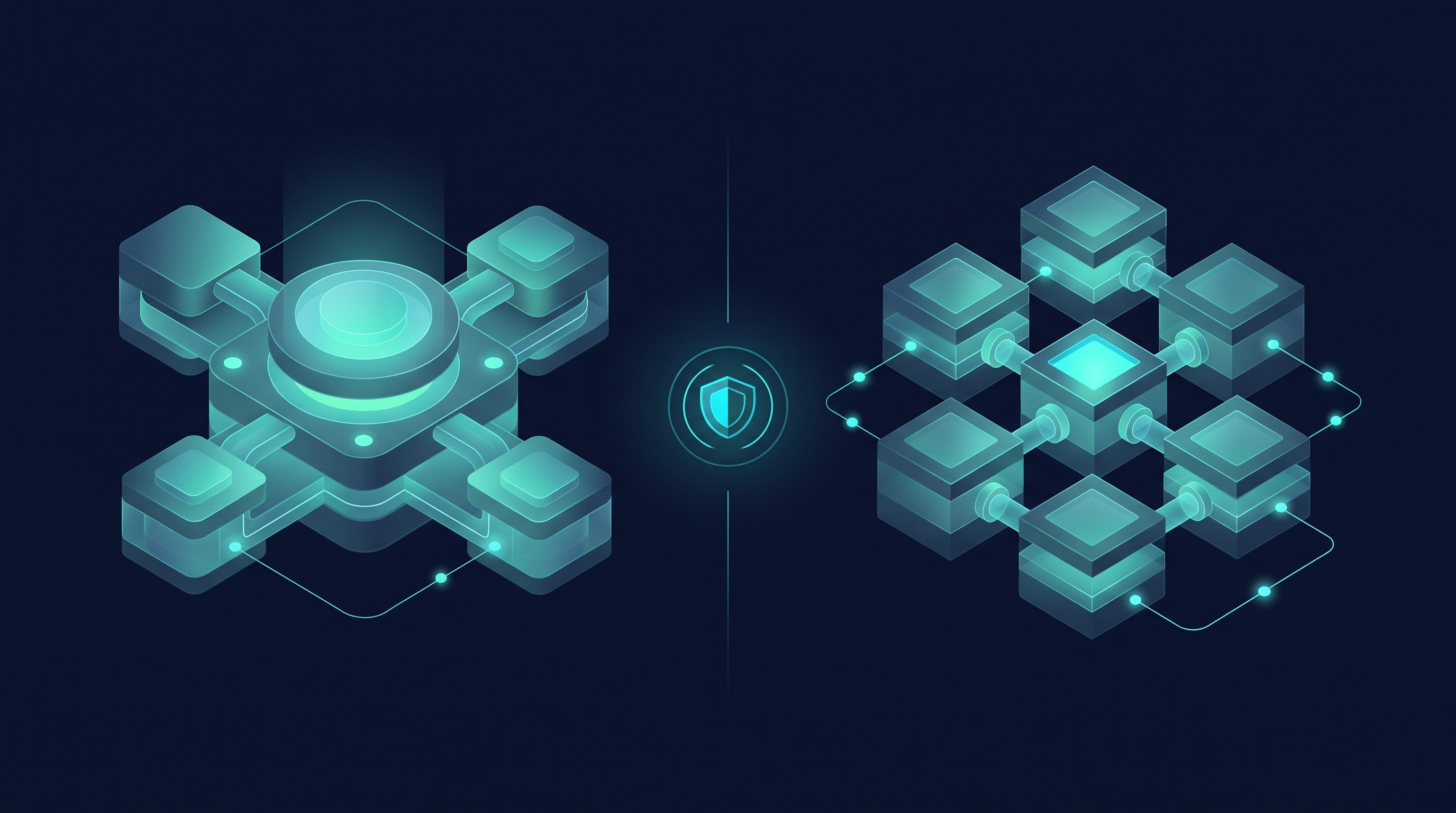
Direct answer: Choose an all-in-one platform when its reporting, case management, access controls and audit records meet your needs without unnecessary connections. Choose integrations when they solve a defined operational problem and can be designed with data minimization, strict permissions and a clear security owner. More integrations do not automatically mean a better whistleblowing programme.
What does all-in-one mean?
An all-in-one platform combines core reporting and follow-up capabilities within one product. Employees submit concerns through a reporting channel, authorized recipients review them, investigators manage cases and administrators monitor workflow. The benefit is fewer vendors and fewer data transfers between systems.
The risk is that the platform may not fit a complex organization's existing identity, records or governance environment. Buyers should check whether the built-in features are sufficient and whether data can be exported for audit or legal review.
When integrations are useful
Single sign-on for case handlers. Identity-provider integration can help manage access for employees who administer cases. However, do not confuse authenticated investigator access with anonymous reporter access. The design should keep those use cases distinct.
HRIS integration. An HR system may provide organizational structure or department information. Only synchronize what is necessary. A full employee roster is not automatically required for anonymous reporting.
Ticketing or investigation tools. A controlled handoff may help teams that already use a separate investigation system. Define which details move, who receives them and how the receiving system protects the information.
Analytics and board reporting. Aggregate measures can support oversight. Avoid exporting raw report content or identity information into broad dashboards unless there is a clearly justified and controlled need.
The privacy risks buyers should examine
A connection can create copies of report content, identity fields, attachments or status information. It can also expand the number of administrators who can access sensitive records. A platform that links a report to a named user account may undermine an employee's expectation of anonymity.
Before enabling an integration, answer five questions:
- What problem does it solve?
- Which exact fields are transferred?
- Who can access the receiving system?
- How long are the copies retained?
- How is the transfer logged and secured?
Apply data minimization. The GDPR requires personal data to be adequate, relevant and limited to what is necessary for the stated purpose. A convenient integration is not a reason to transfer every available field. See our GDPR whistleblowing compliance guide for more.
Build an integration decision matrix
For each proposed integration, document the business purpose, data fields, sending and receiving systems, lawful basis, user permissions, retention period, security owner, failure process and deletion method. Classify it as essential, useful or unnecessary. Start with essential connections only and review usage after launch.
Ask vendors whether integrations are native, partner-provided or custom. Clarify who supports them, how changes are tested and whether the integration adds subscription or support fees. A custom connector can become a long-term maintenance obligation.
Questions for a vendor demo
Ask the vendor to show how a report moves between systems, not just whether an integration exists. Use a fictional sensitive case. Observe which fields appear in each system, whether identity data is attached, who receives notifications and what appears in audit records.
The best architecture is the simplest one that meets the organization's real requirements without weakening confidentiality or increasing the number of people who can access a report. For related reading, see our anonymous employee reporting software guide, employee complaint management and best whistleblowing software.
Frequently asked questions
Does whistleblowing software need HRIS integration?
Not always. Many organizations can operate a reporting channel without importing a full employee directory. Integrate only when there is a clear operational purpose.
Can single sign-on make anonymous reporting unsafe?
It can, if the reporter is required to authenticate through a named account or if identity data is attached to a report. Case-handler authentication and anonymous employee reporting should be assessed separately.
Is an all-in-one platform more secure?
Not automatically. It may reduce data transfers, but security still depends on access controls, architecture, contracts, operations and independent testing.
References and verification sources
Table of Contents
Try VoxWel Free
Set up your anonymous reporting channel in 24 hours. No credit card required.
- AES-256 encrypted
- EU Directive compliant
- $1/employee/month
Ready to protect your workplace?
Encrypted anonymous reporting and case management for $1 per employee per month. Setup takes 24 hours. No IT project required.
Continue Reading

Enterprise Ethics Investigation Software Costs: A Total-Cost Framework
Two quotes with the same annual subscription can represent very different levels of service. Use a three-year total-cost model to compare ethics investigation platforms fairly.

Whistleblowing Software Demo Checklist: 15 Questions That Reveal the Real Differences
If three demos looked identical, the problem may be the demo script. Use 15 questions and three scenarios to expose what each platform actually records, restricts and automates.

Whistleblowing Software for Mid-Sized Companies: What 250+ Employees Need
A company with 250 to 1,000 employees has outgrown the shared inbox but may not need an enterprise governance suite. Learn which features are worth paying for and how to budget realistically.