Whistleblowing Case Management Software: From Report to Investigation Closure
A reporting channel is only the beginning. Learn what case management software should support at each stage: intake, triage, assignment, evidence, findings, feedback, closure and retention.
VoxWel Team
Compliance & Workplace Safety
Try VoxWel Free
Anonymous reporting — live in 24 hours
A whistleblowing channel is only the beginning of a response. Once a report arrives, the organization must decide whether it is in scope, assess immediate risk, assign an impartial handler, preserve relevant information, investigate fairly and document what it did. When this process is managed across email inboxes and spreadsheets, important actions can be delayed or difficult to reconstruct.
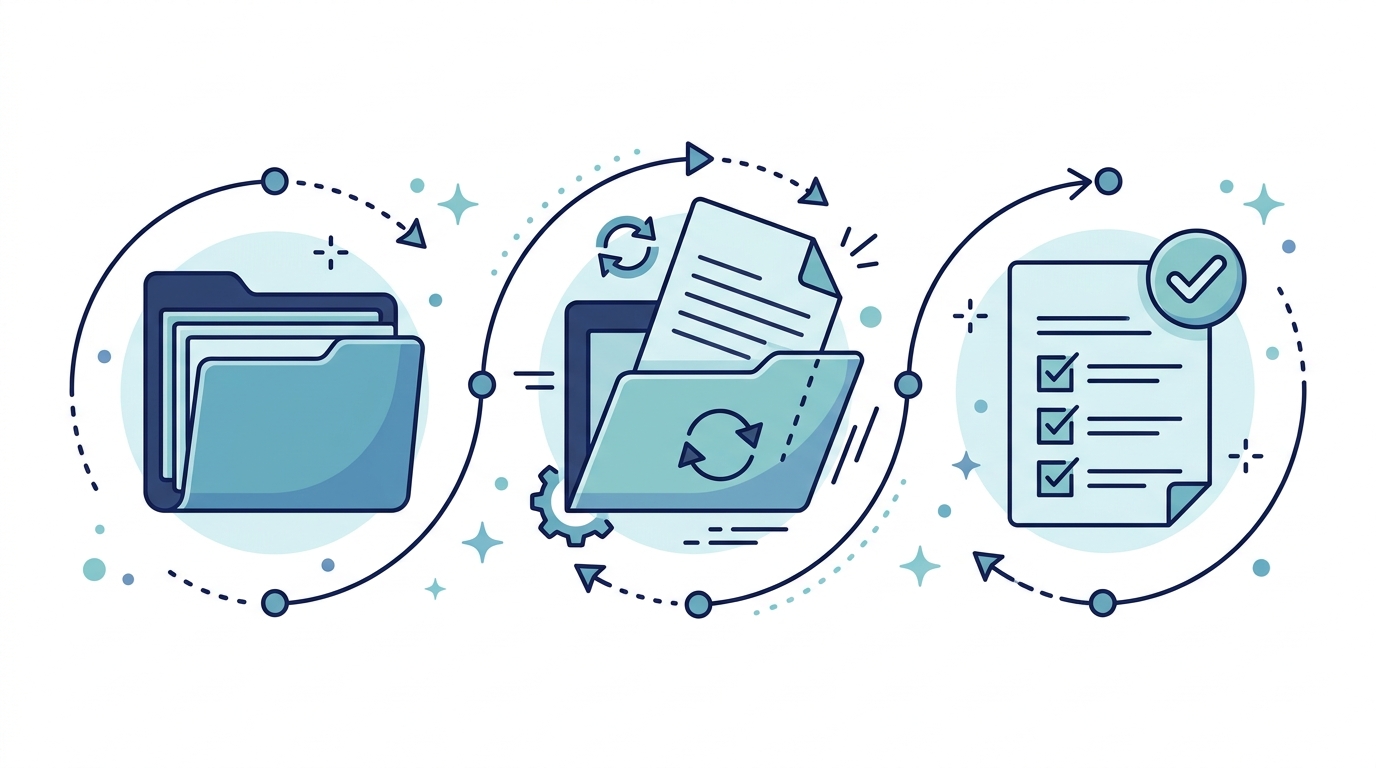
Direct answer: Whistleblowing case management software should support a controlled lifecycle: intake, acknowledgement, triage, assignment, investigation planning, evidence handling, action tracking, feedback, closure and retention. It should also restrict access to sensitive cases and keep an auditable record of key decisions.
1. Intake and acknowledgement
Capture the information needed to understand the concern without forcing the reporter to provide unnecessary personal details. Useful prompts include what happened, where and when it happened, who may be involved, whether the issue is ongoing and whether anyone faces an immediate risk.
The system should record when a report was received and support the organization's acknowledgement process. For organizations subject to the EU Directive, internal channels must support the applicable acknowledgement and follow-up requirements, including the seven-day acknowledgement timeframe described in Article 9, subject to the relevant conditions.
2. Triage and risk assessment
A trained recipient should assess the report's urgency, subject matter, conflicts of interest and appropriate route. A safety risk may require immediate action. An allegation involving a senior executive may need an independent investigator. A report outside the platform's remit may need referral under the organization's policy.
Triage is not a finding. The fact that an allegation has been made does not mean it is proven. The case record should distinguish the report, the evidence collected, the analysis and the final finding.
3. Assignment and access control
Assign a named case owner and define who can view, edit, review and approve the case. Sensitive cases may need a restricted team. A person named in the report should not be able to access or influence the case simply because they hold a senior position or platform administrator role.
Look for entity-level restrictions, conflict-of-interest escalation and a documented way to change access when an investigator leaves or a case is reassigned.
4. Investigation planning and evidence
A case plan should list the questions that need to be answered, relevant people, likely evidence sources, interview steps and target dates. Evidence records should show what was received, who accessed it, whether it was copied or exported and how its integrity was maintained.
Do not collect more personal data than necessary. Limit access to attachments and sensitive notes. Establish how the organization will handle legal holds, employee privacy rights and requests for information under the applicable law. For the investigation itself, see our guide to workplace discrimination investigations.
5. Findings, actions and feedback
The investigator should document the evidence considered, unresolved gaps, credibility assessments and the rationale for the conclusion. The case management system can track corrective actions, owners and due dates, but the organization remains responsible for making fair and lawful decisions.
Provide the reporter with appropriate feedback under the applicable policy and law. Feedback may need to be limited to protect other people's privacy, legal privilege or the integrity of an investigation. Avoid promising that the reporter will receive every detail.
6. Closure and retention
A case should close only when required follow-up actions are completed or formally transferred, decisions are documented and any necessary review is finished. Retain the record only for as long as necessary and proportionate under the organization's legal and operational requirements. A software platform should support controlled retention and deletion rather than indefinite storage by default.
What to test before buying
Ask a vendor to demonstrate a report involving a senior manager, a case that changes investigator, a case with multiple entities, an overdue feedback deadline and a request to export the audit history. Review how the system separates reporter identity from the case file, if the product offers that design. Ask what the audit log records and whether administrators can alter or delete it.
Good case management does not turn an allegation into a conclusion. It gives trained people a consistent, controlled way to examine concerns, document what happened and take proportionate action. For the wider picture of handling complaints, read employee complaint management and our workplace misconduct guide, or see VoxWel's case management in a demo.
Frequently asked questions
What is the difference between a whistleblowing channel and case management software?
A channel receives the report. Case management supports the work that follows, including triage, assignment, investigation, evidence, decisions, actions and closure.
Should every HR employee be able to view every report?
Usually not. Access should be limited to people who need it for their assigned responsibilities, with special handling for conflicts of interest and highly sensitive cases.
Does case management software investigate a complaint automatically?
No. It organizes workflow and records. Qualified people must assess evidence, conduct interviews, evaluate credibility and make decisions.
References and verification sources
Table of Contents
Try VoxWel Free
Set up your anonymous reporting channel in 24 hours. No credit card required.
- AES-256 encrypted
- EU Directive compliant
- $1/employee/month
Ready to protect your workplace?
Join 500+ companies using VoxWel for anonymous reporting. Setup takes 24 hours. No IT project required.
Continue Reading

Fast Implementation of Whistleblowing Software: A Realistic 30-Day Deployment Plan
A fast launch is not the same as a successful whistleblowing programme. This 30-day plan covers scope, governance, configuration, testing and communication, with deliverables for each stage.
7 Types of Employee Fraud: Red Flags, Detection Methods, and Prevention
The Association of Certified Fraud Examiners estimates that organizations lose 5% of annual revenue to occupational fraud. Most fraud is detected not by audits or management review, but by tips — and organizations with anonymous reporting channels detect fraud 50% faster.

How to Investigate Workplace Discrimination: A Step-by-Step Guide for HR
When a discrimination complaint is received, HR has a legal duty to investigate promptly, thoroughly, and impartially. Most HR teams handle fewer than five discrimination investigations per year — which means every one is high-stakes and unfamiliar. This guide provides the process.